
Working in Iceland attract international professionals who want to work abroad in a small but wealthy Nordic country with high salaries, a strong welfare system and a high quality of life. The country offers modern workplaces, a stable economy and steady demand for skilled and multilingual talent.
Iceland has a relatively small but international job market, particularly in Reykjavík and surrounding areas. English is widely spoken and used in many workplaces, especially in tourism, IT and international companies.
If your goal is to relocate for work, enjoy a safe and well-organized society and earn high Nordic-level salaries, Iceland is one of the most attractive destinations in Europe.
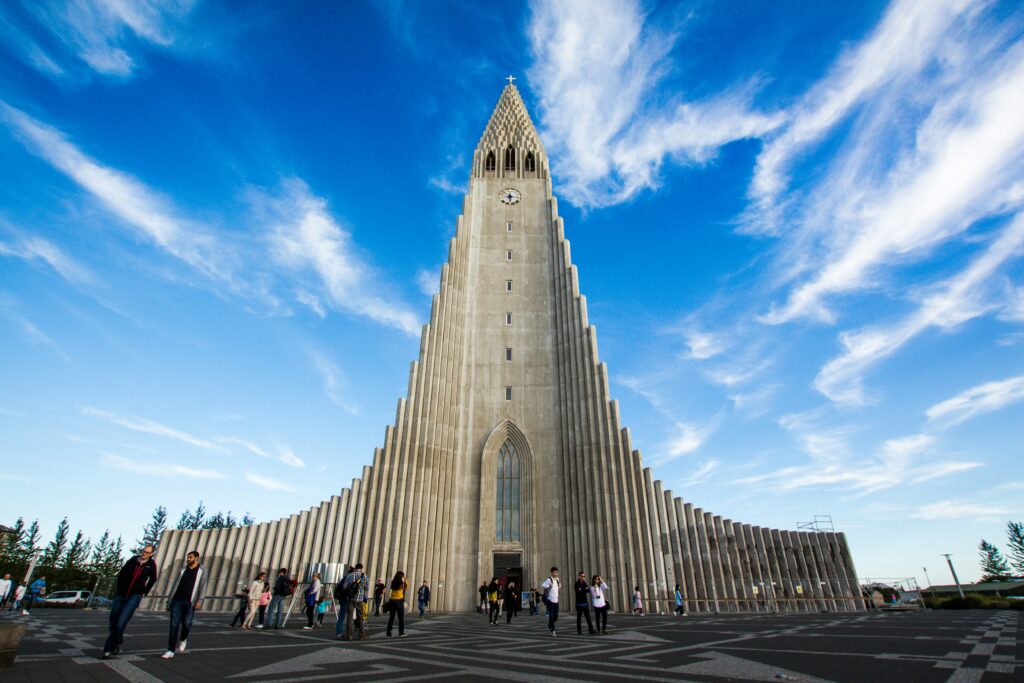
Working in Iceland and the job market
The Icelandic job market is small but strong, driven by tourism, fisheries, renewable energy, technology and business services.
Most international job opportunities are concentrated in:
- Reykjavík
- Kópavogur
- Hafnarfjörður
- Akureyri
Hiring demand is especially high in:
- tourism and hospitality
- IT and software development
- engineering
- renewable energy
- healthcare
- construction
- finance and accounting
- customer support for international markets
Many companies in Iceland hire international staff, particularly in tourism, IT and engineering. English is often enough for many roles, although Icelandic is an advantage for long-term career growth and integration.
Candidates with technical skills, hospitality experience or multilingual abilities usually have the best chances of finding work quickly.
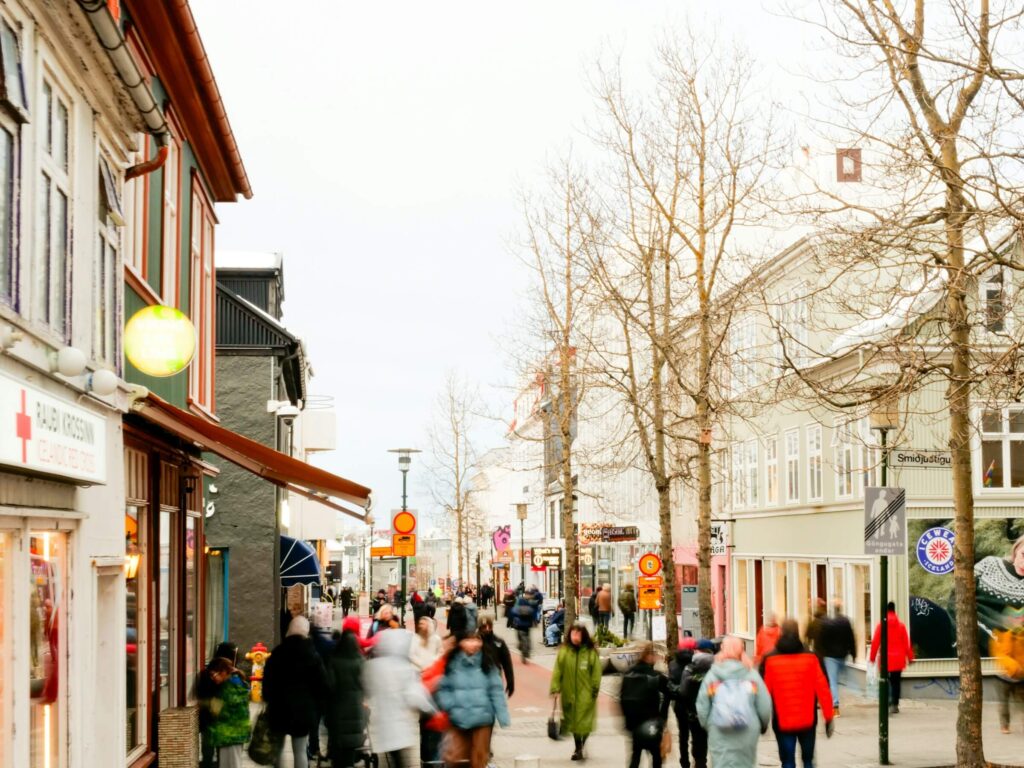
Common jobs for internationals in Iceland
International candidates in Iceland often find work in roles where language skills, technical expertise or experience in international environments are valuable.
Some of the most common jobs include:
- hotel and restaurant staff
- tour guides and travel coordinators
- software developers and IT specialists
- engineers
- healthcare professionals
- construction workers
- customer support agents for international markets
Many tourism and hospitality roles do not require previous experience, especially during peak seasons. Specialist roles usually require relevant education and experience but offer significantly higher salaries.
Salaries in Iceland – what can you earn?
Salaries in Iceland are high by European standards, but living costs are also high, especially in Reykjavík.
Typical gross monthly salary ranges include:
- Customer service / support: €2,800–€4,000
- Tourism and hospitality: €2,500–€3,800
- IT / software development: €4,500–€7,500+
- Engineering: €4,200–€7,000+
- Finance / accounting: €3,800–€6,200
- Healthcare professionals: €4,000–€7,000+
Many employers also offer benefits such as:
- paid vacation
- pension contributions
- healthcare coverage
- overtime pay
- relocation assistance for international hires
High rent and food prices can offset the higher salary levels compared to other European countries.
How hiring works for internationals in Iceland
Most international hiring in Iceland happens through:
- tourism and hospitality companies
- IT companies and startups
- engineering firms
- recruitment agencies
For EU and EEA citizens, no work permit is required. Non-EU citizens usually need a residence and work permit depending on nationality and job offer.
Typical hiring steps include:
- online application and CV screening
- one or more interviews
- skills or language tests for some roles
- a written job offer and employment contract
Relocation support varies by employer and may include help with housing, registration or initial living costs.
Taxes and working conditions in Iceland
Iceland has regulated working hours, paid annual leave and strong worker protections. Working conditions are generally very good.
Income taxes are relatively high but fund public healthcare, education and social security.
Official tax information is provided by the Icelandic Directorate of Internal Revenue:
https://www.skatturinn.is
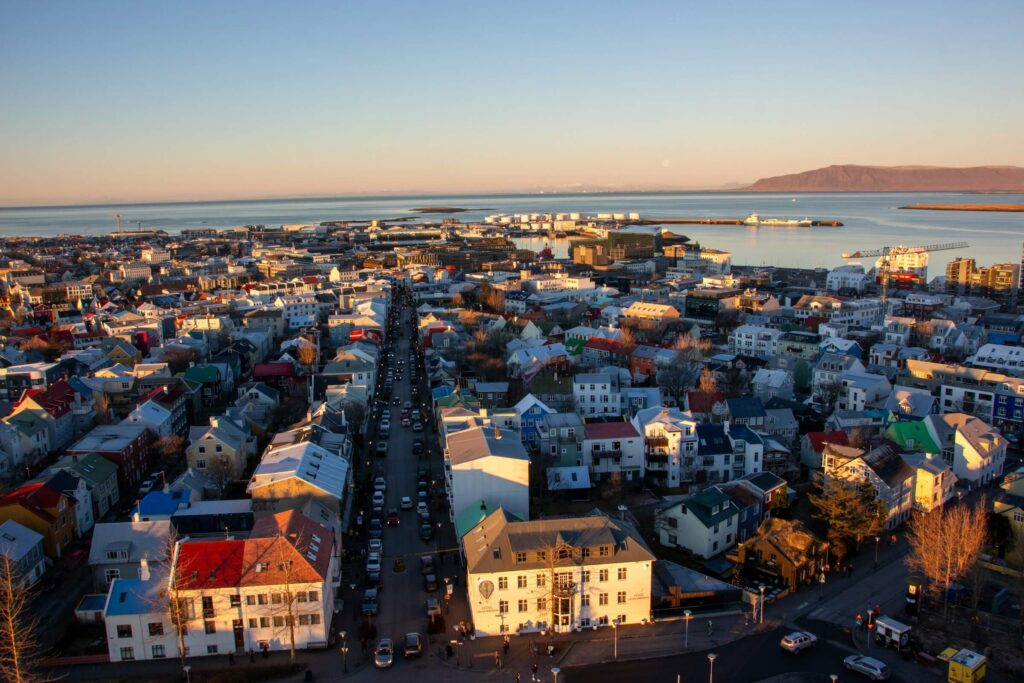
Moving to Iceland for work
EU and EEA citizens can live and work in Iceland without a work permit. Non-EU citizens usually need a residence and work permit.
Official residence and work permit information is provided by the Directorate of Immigration:
https://utl.is
General government services and registration guidance are available via the Icelandic government portal:
https://www.government.is
If you stay long term, you must register your address and obtain a kennitala, which is required for employment, taxes, banking and access to public services.
Housing in Iceland
Housing in Iceland is expensive, especially in Reykjavík.
Many newcomers start with shared accommodation or short-term rentals while searching for long-term housing.
Monthly rent for a one-bedroom apartment typically starts around €1,200–€1,800 in Reykjavík and less in smaller towns. Deposits of one to two months’ rent are common.
Living and working in Iceland
Iceland offers a very high quality of life, strong social systems and a safe environment.
Many expats value the work-life balance, clean nature and friendly society.
The country has a small population and a close-knit community feel.
Getting around Iceland
Public transport is limited outside Reykjavík.
Cars are commonly used for commuting and travel.
Domestic flights and buses connect major towns and regions.
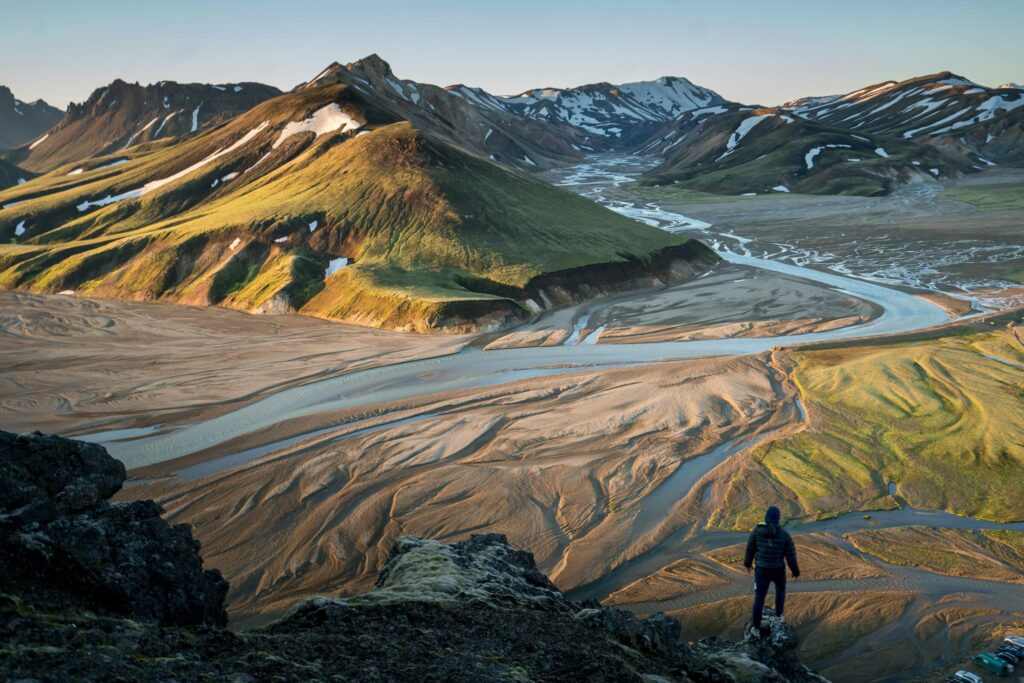
Pros and cons of working in Iceland
Pros
- high salaries
- strong worker protections
- high quality of life
- safe society
- beautiful nature
Cons
- high cost of living
- expensive housing
- limited job market size
- long, dark winters
- limited public transport
FAQ – jobs in Iceland
Is it easy to find jobs in Iceland?
It can be, especially in tourism, hospitality, IT and engineering. Iceland has a small but international job market with steady demand for foreign workers.
Do I need to speak Icelandic?
Not always. English is enough for many jobs, especially in tourism, IT and international companies. Icelandic is useful for daily life and long-term integration.
Do I need a work permit?
EU and EEA citizens do not need a work permit to work in Iceland. Non-EU citizens usually need a residence and work permit depending on nationality and job offer.
Is Iceland expensive?
Yes. Living costs are high, especially in Reykjavík, and housing and food prices are among the highest in Europe.
Summary – is Iceland right for you?
Iceland is a strong choice if you want high salaries, a safe society and a high quality of life in a unique natural environment. While the cost of living and small job market are challenges, the strong welfare system and work-life balance make Iceland an attractive destination for working abroad.
If you want to compare destinations, you can read more about jobs abroad.
Ready to take the next step? Go directly to job search and explore current opportunities.